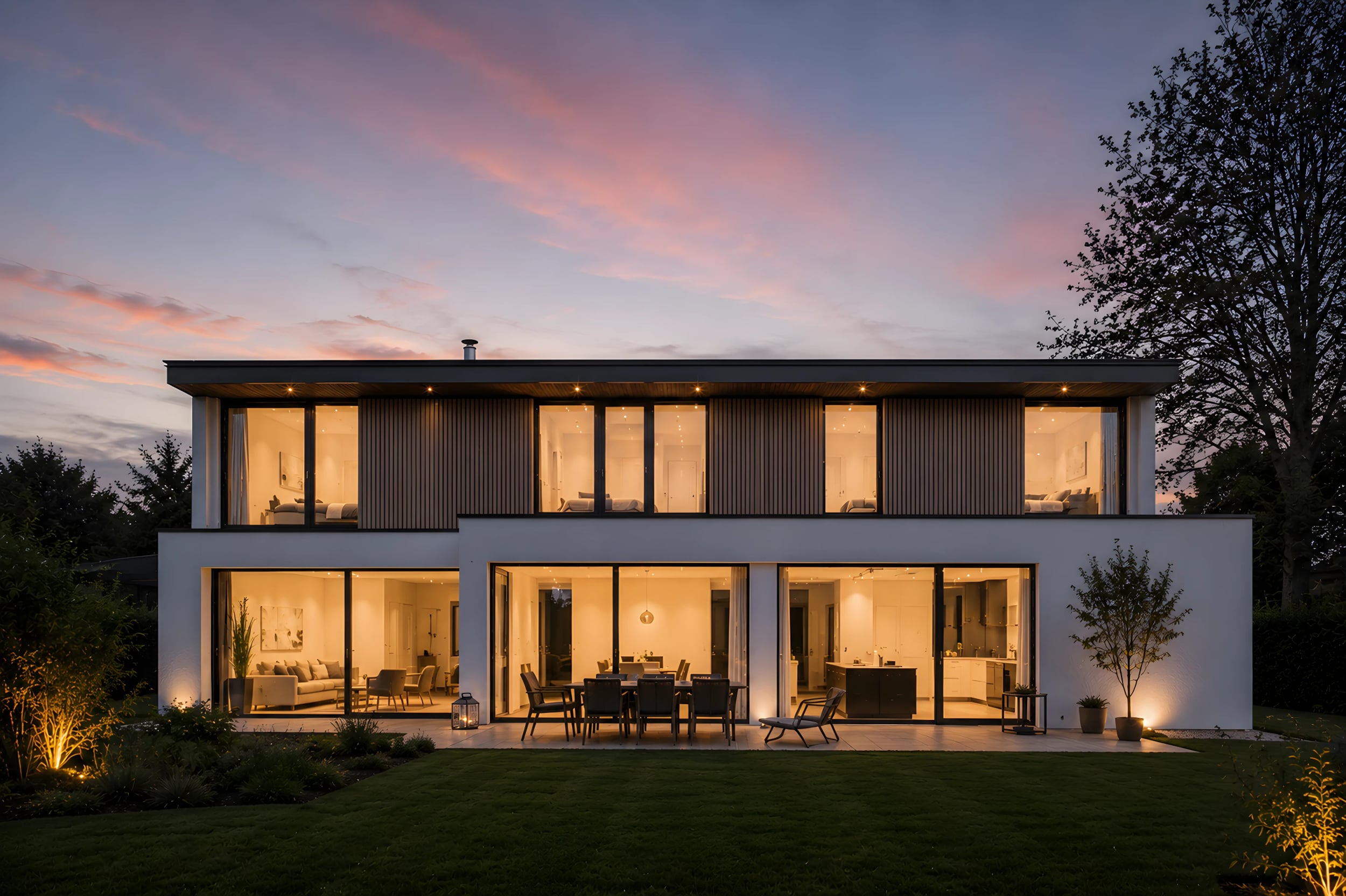
Residential architecture should be shaped around how people live, not simply how a space looks at one moment in time. A home needs to support changing routines, needs, and ways of living.
Trends can be useful references, but they rarely provide the foundation for lasting design. We are more interested in proportion, light, material and spatial clarity.
These qualities tend to hold their value over time. They allow a home to feel relevant without relying on decorative decisions that may quickly date.
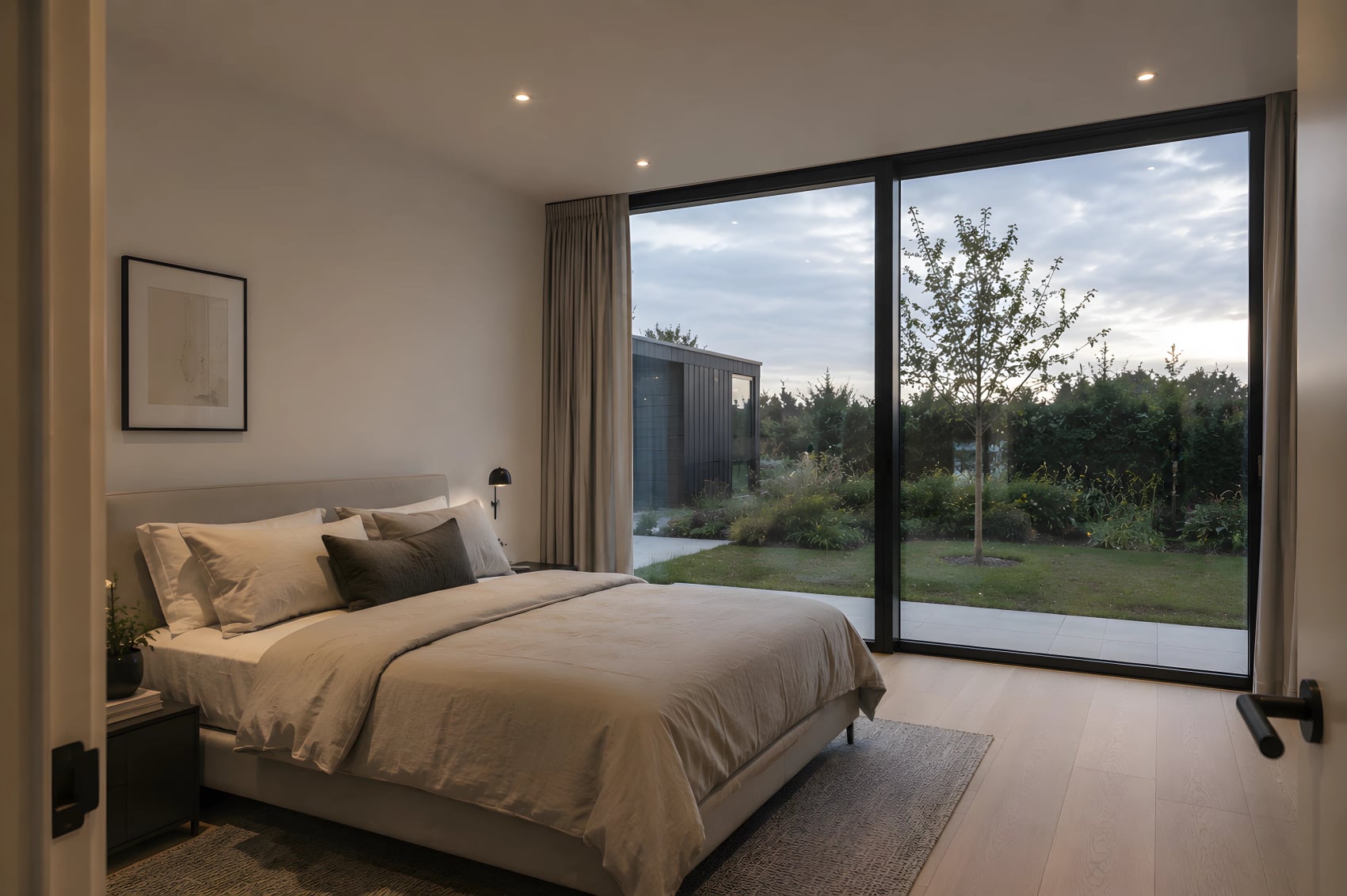
Long-term living requires flexibility. Rooms may need to adapt as families grow, routines change, or the way people work and relax at home evolves.
A carefully planned layout can make this easier. Circulation, storage, room sizes, and connections between spaces all influence how well a home works over time.
We often focus on creating spaces that feel generous without being excessive. The goal is not to add complexity, but to make each part of the home feel useful and considered.
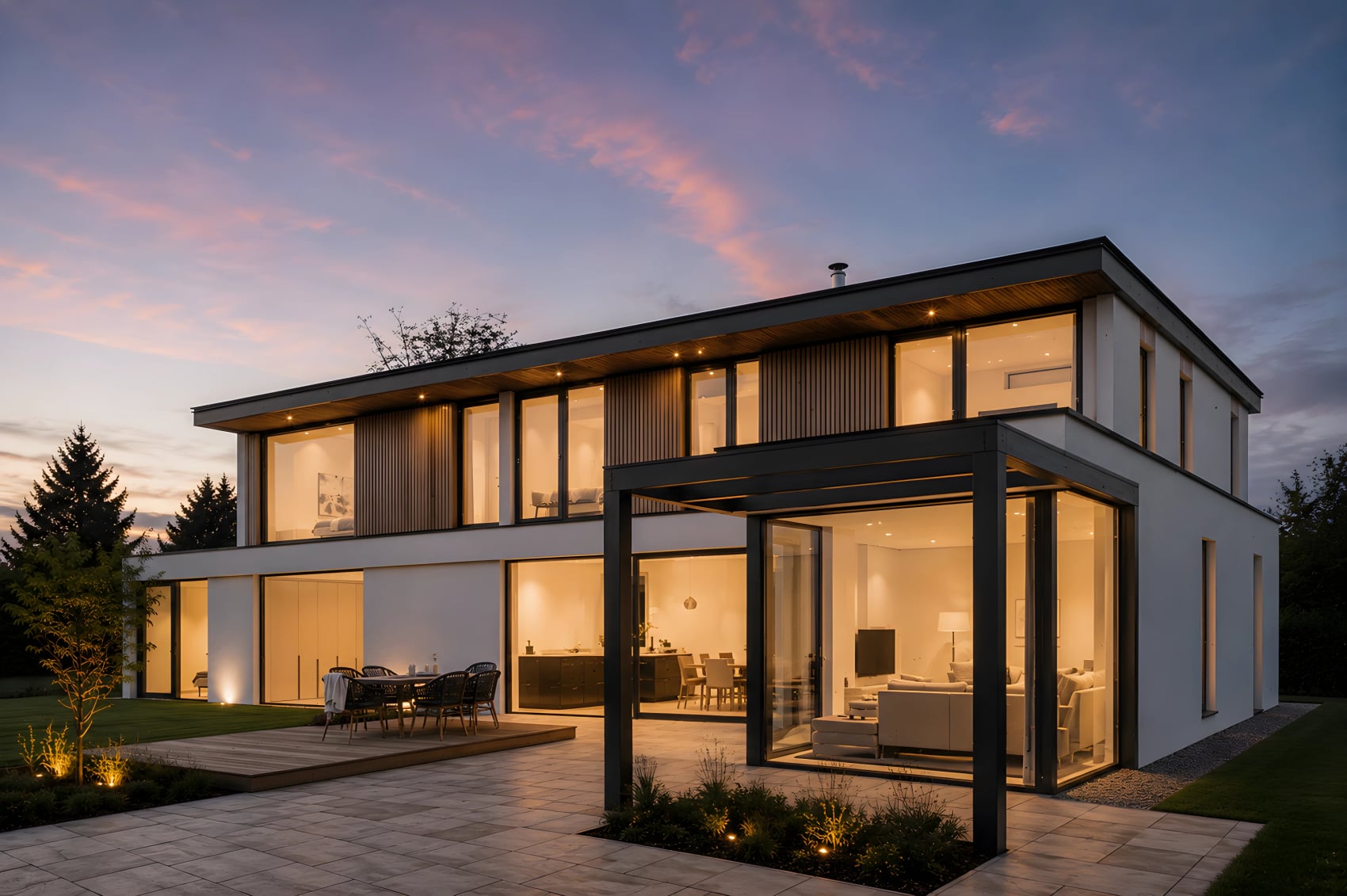
Durability is another important part of long-term design. Materials, finishes, and details should be selected with daily use in mind.
A home should be able to absorb life without feeling fragile. It should feel refined, but not precious to the point that it becomes difficult to live in.
Timeless design is often quiet. It does not need to announce itself immediately, but reveals its value through comfort, clarity, and repeated use.
By designing beyond trends, architecture can create homes that continue to feel calm, functional, and meaningful for many years.